YUANFONG PRESS
 HALLMARKORG


Views: 0 Author: Site Editor Publish Time: 2026-05-25 Origin: Site


In its most basic form, melamine is an organic chemical compound. When combined with formaldehyde and subjected to heat, it transforms into a durable, thermosetting plastic resin.
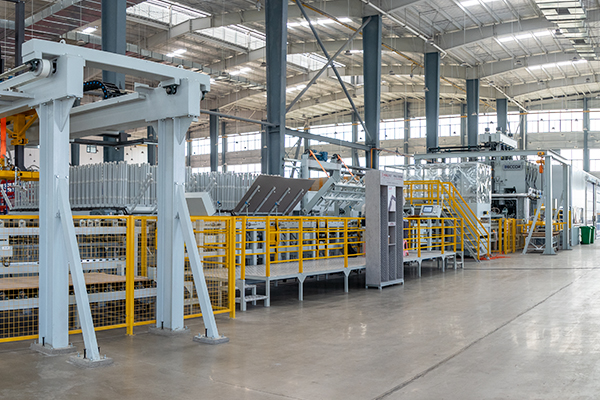
Manufacturers apply this hard resin to a decorative paper base, which is then thermally fused onto a wooden substrate—usually Medium Density Fiberboard (MDF), plywood, or particle board. Because of this manufacturing process, industry professionals often refer to melamine as short cycle hot press . The result is a highly durable, attractive, and cost-effective melamine board ready for construction.
Because of its scratch-resistant finish and affordability, melamine wood is an industry favorite. It is widely used in both residential and commercial settings. Common products featuring a melamine finish include:
Household & Office Furniture:Desks, bookcases, and wardrobes.
Kitchen & Bathroom Cabinets:A popular choice for cabinet boxes and doors due to its easy-to-clean surface.
Retail Display Counters:Highly durable for high-traffic commercial spaces.
Flooring:Forms the protective top layer of many laminate flooring options.
Dinnerware:Used to create shatter-proof plates and bowls.
Dry Erase Boards:Provides the smooth, non-porous surface required for markers.
A common misconception is that melamine and lamination are completely different materials. The truth is: Melamine is a type of laminate, but not all laminates are melamine.
The primary difference lies in the manufacturing process, specifically the pressure applied during production. Here is a quick breakdown to help you understand LPL (Low-Pressure Laminate) versus HPL (High-Pressure Laminate).
| Feature | Melamine (Low-Pressure Laminate / LPL) | Formica (High-Pressure Laminate / HPL) |
| Pressure Applied | 300 - 500 pounds-per-square-inch (PSI) | Over 1,400 pounds-per-square-inch (PSI) |
| Application Method | Directly fused to the substrate (MDF/Particle board) | Glued to the substrate after production |
| Durability | Highly durable for standard vertical/horizontal use | Maximum durability for heavy-duty countertops |
| Cost | Highly cost-effective and budget-friendly | More expensive due to complex manufacturing |
Melamine furniture refers to pieces constructed from a manufactured-wood core (like MDF or a particle board substrate) that has been seamlessly covered via melamine lamination.
While 100% solid wood furniture has its traditional appeal, it is often heavy, expensive, and susceptible to warping. High-quality melamine lamination gives lower-quality wood cores a beautiful, protective shell. This combination results in furniture that is exceptionally lightweight, affordable, and visually versatile, making it a top choice for modern homeowners and commercial spaces alike.
The Benefits (Pros)
Exceptional Durability: The thermosetting plastic coating makes the surface highly scratch-resistant, shatter-resistant, and heat-tolerant.
Cost-Effective:By covering inexpensive substrates like MDF, manufacturers can produce high-quality looks without the solid-wood price tag.
Endless Design Choices: Melamine can be printed in a wide variety of colors, textures, and faux-wood finishes to match any aesthetic.
Easy to Clean: The non-porous exterior is waterproof and easily wiped down with a damp cloth.
The Drawbacks (Cons)
Substrate Vulnerability:While the melamine surface itself is completely waterproof, the wood core underneath is not. If water seeps into the seams or edges of the particle board, it can cause the material to swell and distort the laminate.
Chipping Risks:Melamine is tough, but it can chip during improper installation or assembly. Care must be taken when cutting or drilling into the boards to prevent damaging the finish.